
Search engine optimization (SEO) isn’t just for big companies or online stores. For camps and retreat centers, it can be one of the most reliable ways to get discovered by the people already looking for what you offer.
Struggling to fill spots before the season starts? One camp increased offseason registration inquiries by 40% after improving their SEO and website content, helping them fill spots earlier and with less last-minute pressure.
Unlike short-term efforts like email campaigns or paid ads, SEO keeps working in the background. It helps your camp show up when families, churches, schools, and group leaders are actively searching and making decisions.
In this guide, we’ll walk through a practical approach to SEO for camps so you can get found more often and turn that visibility into registrations. This article is part of our Retreat & Camp Growth Roadmap Series, which provides detailed strategies for each step of your SEO journey.
Table of Contents
- Why Camps and Retreat Centers Need SEO
- Step 1: Define Your Audience and Keyword Strategy
- Step 2: Technical and On-Page SEO Foundations
- Step 3: Build a Content Strategy That Drives Registrations
- Step 4: Grow Authority with Backlinks and Local SEO
- Step 5: Long-Term SEO Maintenance
- Common SEO Mistakes Camps Should Avoid
- A 90-Day SEO Plan for Camps
- Additional Resources
- Help With SEO for Your Camp
- Frequently Asked Questions
Why Camps (and Retreat Centers) Need a Tailored SEO Strategy
Most camps rely heavily on word-of-mouth, seasonal email blasts, or short-term paid advertising campaigns to fill their programs. While these methods can drive some enrollment, they typically only generate spikes in interest during narrow windows. SEO for camps, on the other hand, works around the clock—building your visibility in organic search results long before your next registration cycle opens.
When your site ranks well in search engines, it becomes a 24/7 ambassador for your programs. A well-optimized website helps:
- Parents researching summer camps months in advance
- Youth pastors looking for spiritual retreat venues
- School administrators exploring field-based programs
- Business leaders seeking unique team-building locations
One camp saw registration inquiries increase 40% in the offseason after optimizing their program pages and updating their Google Business Profile. By answering common questions online and showing up consistently in local search results, they filled spots earlier than ever before.
Investing in Search engine optimization (SEO) helps your camp become discoverable when people are actively looking for the kind of experience you offer.
Step 1: Define Your Audience & Keyword Strategy
Before you start optimizing your website, take a moment to understand who you’re trying to reach and how they search online. This is the foundation of all effective camp SEO.
Understand Your Audiences
- Families want safety, affordability, and engaging programming. They’re likely to search for things like “overnight camp for kids in [region]” or “Christian summer camps for teens.”
- Churches are drawn to faith-based values, flexible retreat options, and facilities that support spiritual growth. Common searches might include “Christian retreat center near [city]” or “youth ministry camp venues.”
- Schools look for enrichment, structure, and group accommodations. Educators may search for “educational camps for middle schoolers” or “school retreat locations with lodging.”
- Organizations (businesses, ministries, nonprofits) prioritize location, team-building options, and meeting space. They may search “corporate retreat center with cabins” or “team building camp for staff.”
Build a Keyword Strategy
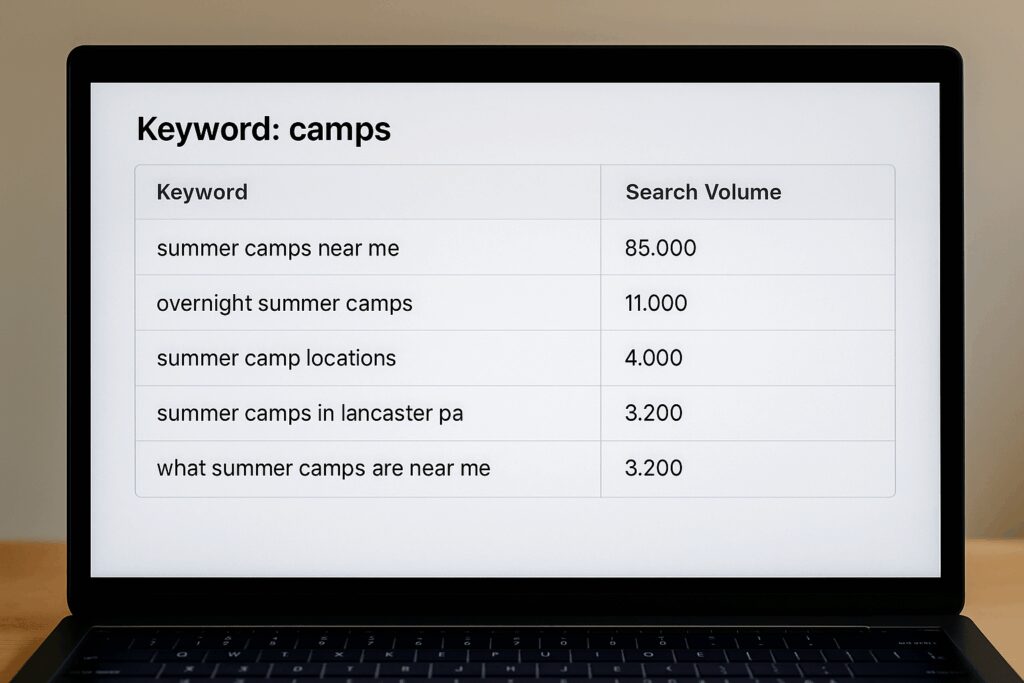
Start by brainstorming terms each audience might use. Mix broad keywords (like “camp marketing”) with long-tail keywords—more specific searches that show intent (like “retreat center SEO for Christian ministries”).
Use free tools like:
- Google Keyword Planner – See how often people search for terms and get new ideas.
- AnswerThePublic – Discover questions people ask about your topics.
Step 2: Technical & On-Page SEO Foundations
Even the most compelling content can go unnoticed if your site isn’t technically sound. This step ensures your website is easy for both people and search engines to navigate.
What is Technical SEO?
Technical SEO refers to the behind-the-scenes elements that affect how your site loads and functions. Think of it as making sure your “digital foundation” is solid.
Start with these fixes:
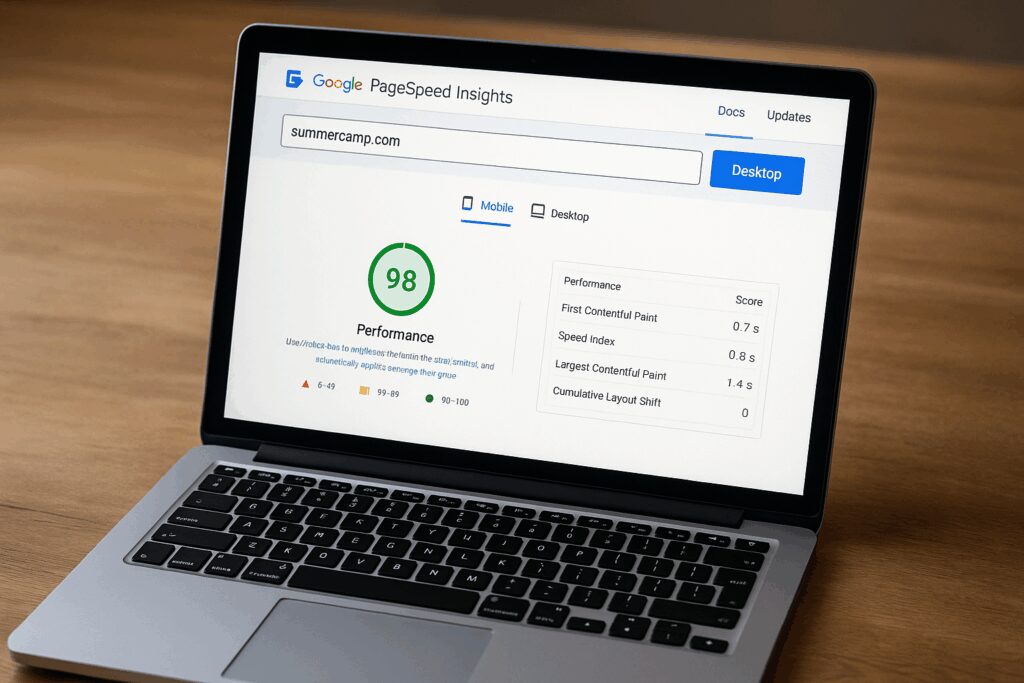
- Page Speed: A fast-loading site keeps visitors engaged. Use Google PageSpeed Insights to test performance.
- Mobile Optimization: Make sure your site looks good and works smoothly on phones and tablets. Most of your traffic likely comes from mobile.
- Secure Site (HTTPS): If your URL starts with “http” instead of “https,” it’s time to get a security certificate.
- Crawlability: Search engines need to read your site. Use tools like Screaming Frog or Google Search Console to spot issues like broken links or missing pages.
What is On-Page SEO?
On-page SEO makes individual pages more discoverable. This is how you format your pages to be more visible in search results:
- Titles & Meta Descriptions: These are what show up in search results. Keep them short, accurate, and use keywords.
- Headings (H1, H2, etc.): These help structure your content. Think of them like chapter titles.
- Image Alt Text: Describe every image. This helps visually impaired users and tells Google what your images are about.
- Internal Links: Link to other relevant pages on your site to help both users and search engines explore your content.
SEO can be powerful, but it also takes time, consistency, and the right strategy to see results.
If you’re trying to increase registrations, improve visibility, or reach more families and groups, having a clear plan makes all the difference.
We work with camps and retreat centers to build SEO strategies that actually drive inquiries and fill spots.
👉 Explore our camp marketing services
Step 3: Build a Content Strategy for Families, Churches, Schools, and Organizations
Once your foundation is solid, it’s time to create content that attracts potential customers, serves your audience, and supports your camp’s SEO goals. Think of your content as the bridge between your camp and the people searching for it.
Pages That Build Trust and Drive Action
- Program Pages: These are essential. Create a separate page for each key program—like “Summer Camp for Kids,” “Church Retreats,” “School Field Experiences,” or “Staff Leadership Retreats.” These should each include who it’s for, what they’ll experience, and how to register.
- Audience-Specific Pages: Dedicate content to each group you serve. For example:
- A “For Youth Pastors” page can describe your chapel, worship spaces, and flexible retreat packages.
- A “For Educators” page can cover curriculum tie-ins, safety policies, and lodging for school groups.
- FAQ Pages: Gather the most common questions families or group leaders ask. Address them clearly in a searchable, easy-to-browse format. This content not only helps users—it ranks well, too.
Blogging to Answer Questions and Build Visibility
Blogging is one of the most effective ways to bring long-term traffic to your site. Start by answering questions your audience asks:
- What to pack for a church retreat?
- How to choose the right summer camp?
- Activities for team-building at a leadership retreat?
Use stories, helpful lists, planning guides, or even seasonal checklists. Keep content focused and helpful.
Want to dive deeper? Check out our article on developing blog content for long-term growth.
Step 4: Grow Authority Through Backlinks, Local SEO, and Partnerships
Search engines trust websites that others trust. That’s why backlinks (links from other sites to yours) and local presence matter so much. Focus on local SEO and link-building to build authority.
Local SEO: Get Found Where You Are
- Google Business Profile: Make sure your profile is claimed, verified, and fully filled out. Add photos, services, hours, and updates. Ask for reviews from satisfied families or group leaders.
- Local Content: Mention your city, region, or nearby landmarks naturally in your site content. Include directions and what makes your location special.
- Directory Listings: Submit your info to well-known directories like Christian Camp and Conference Association, local tourism boards, or faith-based travel sites.
For more, see our guides on enhancing your Google profile andstarting local SEO.
Backlink Basics
Where to Get Links:
- Popular business directory websites (Google, Facebook, Apple Maps, Yellow Pages, etc.)
- Industry resources sites such as Camp Resource, Camp Navigator or Retreat Finder
- Schools, churches, or businesses you’ve hosted—ask for a link on their “partners” or “past retreats” pages.
- Blogs or online magazines that focus on family travel, ministry life, or education.
- Denominational networks or youth ministry resource hubs.
Want a full plan? Read how to expand directory listings.
Step 5: Commit to Long-Term SEO Maintenance
SEO is a long-term strategy. Small, consistent efforts produce lasting results.
SEO is not a one-and-done project. It’s more like tending a garden. If you keep working at it a little at a time, it yields long-term results.
Regular Maintenance to Stay Visible
- Quarterly Checkups: Use free or low-cost tools like Google Search Console to see how your site is performing. Fix broken links and address slow pages or outdated information.
- Update Content: Revisit your most-visited pages or blog posts. Can you add new photos, answer updated questions, or link to new resources?
- Add New Questions and Topics: Search trends evolve. When you hear a new question from a parent or pastor—write a blog about it.
For more on how to sustain your growth, read our full guide to long-term SEO.
Common SEO Mistakes Camps Should Avoid
Avoid these common pitfalls to keep your strategy on track:
- Using One-Size-Fits-All Templates: Generic websites or marketing plans make you look just like every other camp. Customize your site and content around your strengths.
- Ignoring Mobile Users: If your site is hard to use on a phone, people won’t stick around. Test it regularly on mobile.
- Overlooking Your Core Audiences: Speaking vaguely to “everyone” leads to a weaker connection with each group. Create content for specific audiences.
- Letting Your Site Go Stale: Infrequent updates hurt trust and rankings. Schedule simple updates quarterly.
- Not Measuring Anything: You can’t improve what you don’t measure. Use free analytics tools to understand what’s working.
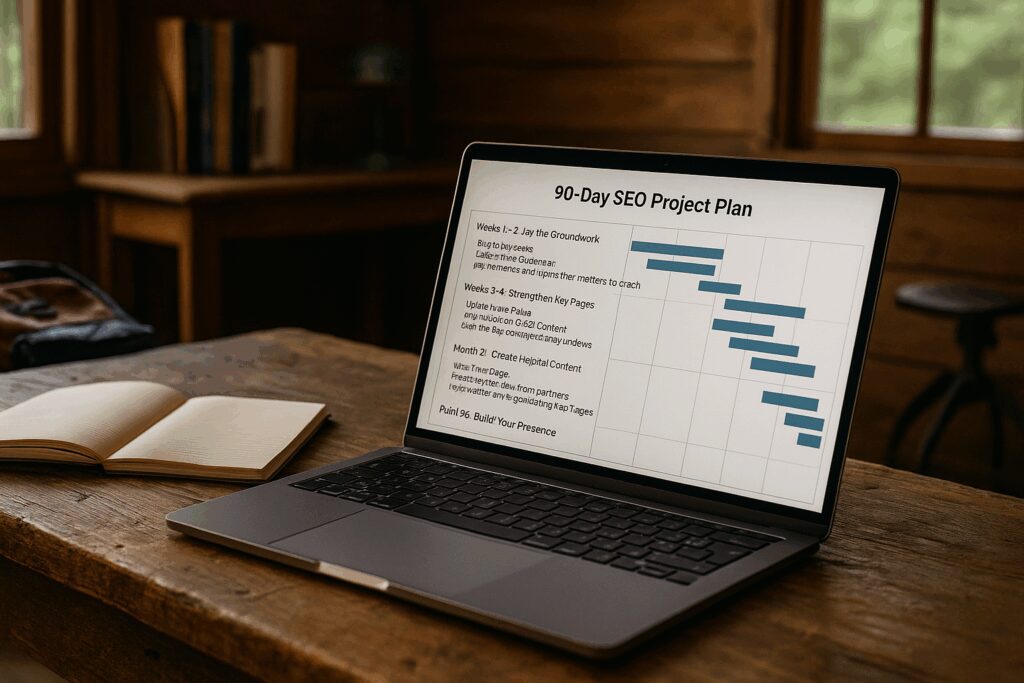
A 90-Day SEO Kickstart Plan for Camps
Want to get moving fast? Follow this three-month plan:
Weeks 1–2: Lay the Groundwork
- Run a site audit
- Define your key audiences
- List keywords and topics that matter to each
Weeks 3–4: Strengthen Key Pages
- Update your homepage and program pages with better headers and keywords
- Add clear calls-to-action
- Link between related pages
Month 2: Create Helpful Content
- Write three blogs that answer audience questions
- Add FAQs and a photo gallery to top pages
- Ask previous guests to leave a Google review
Month 3: Build Your Presence
- List your site on 5–10 directories
- Request backlinks from partners
- Track traffic and search rankings in Google Search Console
Going Deeper: Explore the Camp & Retreat Growth Roadmap
This guide provides a strategic overview, but each element of SEO for camps deserves deeper exploration. That’s why we created the Retreat & Camp Growth Roadmap Series — to give camps and retreat centers actionable insights at every stage. Here are the key follow-up articles:
- Stand Out On Google Maps: How Retreat Centers & Camps Turn Searches into Bookings: Learn how to fully optimize your Google Business Profile to increase visibility in local searches and attract more direct inquiries.
- Get Found in More Places: Directory Listing Strategies for Retreat Centers & Camps: Discover how to expand your presence across relevant local and niche directories to boost trust and referral traffic.
- Get Found in Your Own Backyard: A Ministry-Minded Guide to Local SEO: Practical tips for improving your local SEO strategy with regionally relevant content and link-building.
- Turn the Website Content You Already Have into an SEO Magnet for Retreat Groups: How to improve and repurpose your existing content to make it more SEO-friendly and conversion-driven.
- How Retreat Centers and Camps Can Develop Organic Traffic That Fuels Long-Term Growth: The content strategy blueprint for building ongoing traffic, trust, and leads through blogging.
- How Retreat Centers and Camps Can Keep Growing with On-site SEO: A technical and structural guide to optimizing your camp’s website for better performance and search visibility.
Want Help With SEO for Your Camp?
We partner with camps and retreat centers to create and execute SEO strategies that align with your mission and audience. Whether you’re starting from scratch or refining an existing strategy, we help you:
- Build SEO strategies that reflect your mission
- Improve technical setup and page structure
- Plan content that connects with parents and group leaders
- Monitor what’s working and adjust over time
Our proven framework has helped Christian camps and retreat centers increase visibility, improve inquiries, and grow enrollment—all while staying true to their values.
Frequently Asked Questions
1. How long does it take for SEO to start working for a camp website?
SEO is a long-term investment. Most camps will start to see measurable improvements in traffic and rankings within 3–6 months, with more significant growth over 6–12 months. This depends on your starting point, competition, and how consistently you apply best practices.
2. Do we need a blog to succeed with SEO?
While not mandatory, having a blog significantly improves your ability to rank for long-tail keywords and answer common audience questions. A regularly updated blog also signals to search engines that your site is active and authoritative.
3. Can we target multiple audiences (families, churches, schools, organizations) from one website?
Yes—in fact, it’s a smart strategy. The key is to create clear, dedicated content for each audience segment. This improves relevance for both users and search engines.
4. What are the most important technical SEO fixes to prioritize?
Start with page speed optimization, mobile responsiveness, proper use of meta tags, internal linking, and eliminating crawl errors. These have the biggest impact on user experience and search engine visibility.
5. How do backlinks help our SEO?
Backlinks from reputable sources act as endorsements. They tell search engines that your site is trustworthy and authoritative, which helps improve rankings. Focus on getting links from relevant local, industry, or ministry-related websites.
6. What tools should we use to track SEO performance?
Start with Google Search Console and Google Analytics. Tools like Semrush, Ahrefs, or Moz can provide additional keyword tracking, backlink analysis, and competitive insights.
7. How often should we update our website content?
Review and refresh core pages at least every 6 months. Update blog posts annually or as information becomes outdated. Consistent updates show search engines that your content remains relevant.
8. Should we hire an agency or try to manage SEO in-house?
If you have dedicated staff with time and expertise, in-house SEO can work. However, most camps benefit from partnering with an agency that can bring strategic guidance, technical know-how, and the consistent execution of trusted SEO services.
9. What if our camp only operates seasonally?
That’s even more reason to invest in SEO. Organic traffic builds over time and keeps your camp visible year-round—especially when families or churches begin planning months in advance.
10. Is local SEO really that important if we serve national groups?
Yes. Even if you attract groups from out of state, local SEO builds your authority and helps ensure you dominate search results in your home region—a strong foundation for wider outreach.