
Camp Marketing Results
Real camps. Real results. Fuller calendars.
These aren’t projections. Every number below comes from a camp we’ve worked with — documented over years, not months.
145+
organizations served since 2014
12+yrs
working with camps
4.8 ★
Google rating
100%
success rate with camps
Camps & Retreat Centers We've Served
We have had the pleasure of working with a a lot of great camps over the last 12 years.
From seasonal camps to year-round retreat centers with multiple revenue streams .











Camp Marketing Success Stories
Here are just a few of their growth stories.
Every camp comes to us in a different spot — new leadership, invisible online, a lost group, an off-season to fill, or a marketing team that needs a specialist. Here’s what happened.
Cross Oak Camp & Retreat Center
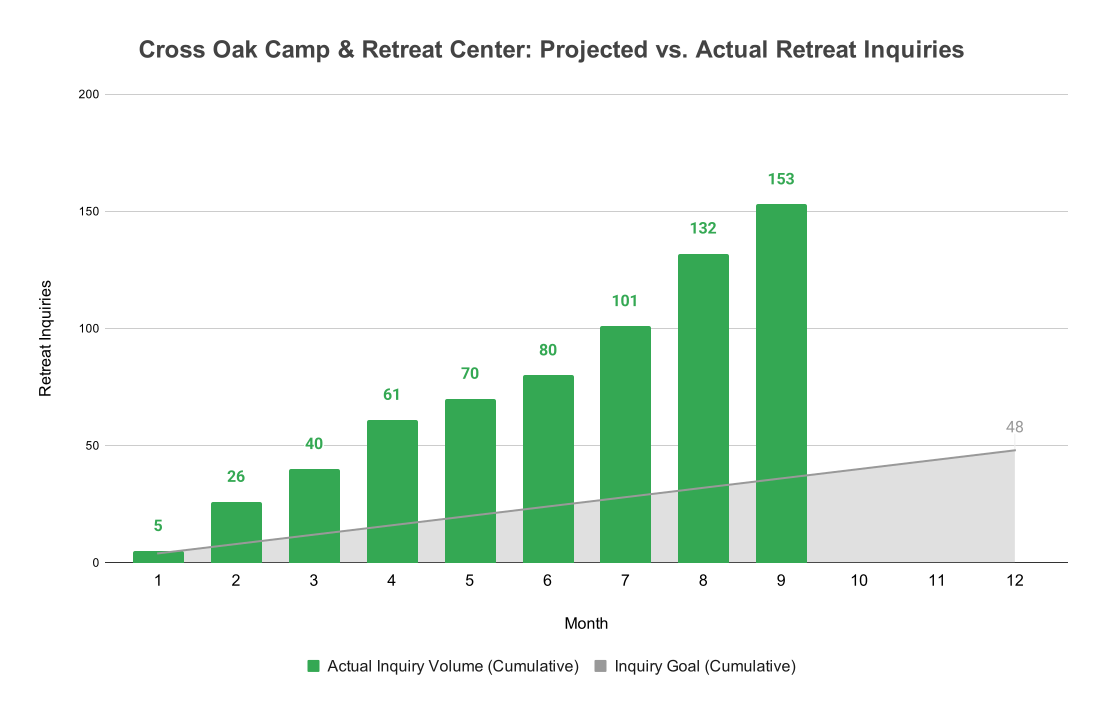
Cross Oak Camp had a new director, open capacity, and no clear path to fill it. The plan came first — targets, market research, an objective audit — and then execution followed it. Within 60 days, inquiries were up and 88% of tours were converted into bookings. Within 9 months, booked events tripled and their annual revenue forecast climbed from roughly $475K to $800K.
$325k
add’l revenue above forecasted growth
3X
increase in booked events vs. prior year
88%
close rate on retreat inquiries
“Carl turned on a faucet we’re struggling to turn off.”
— John Schwieterman, Executive Director at Cross Oak Camp & Retreat Center
Williamsburg Christian Retreat Center
From uncertainty to mission-driven momentum: How a Christian retreat center & camp rebuilt its marketing foundation
+235%%
increase in website traffic
2.8X
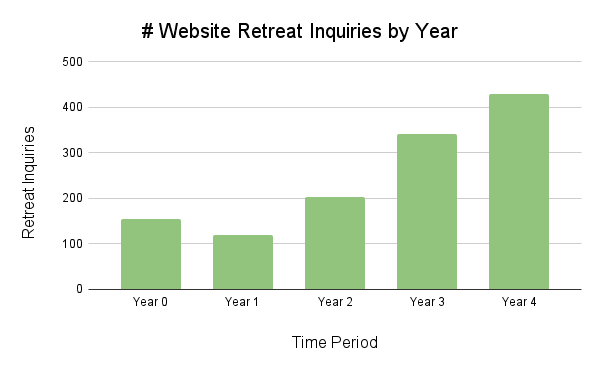
increase in annual retreat inquiries
2.1%→ 4 .6%
increase in conversion rate
“Improve and Grow has been a total game-changer for our organization. The phone continues to ring!”
— Bob Briscoe, Executive Director at Williamsburg Christian Retreat Center
Refreshing Mountain Retreat & Adventure Center
From seasonal slumps to weekday wins: A Christian retreat center used outdoor adventures to unlock new revenue streams.
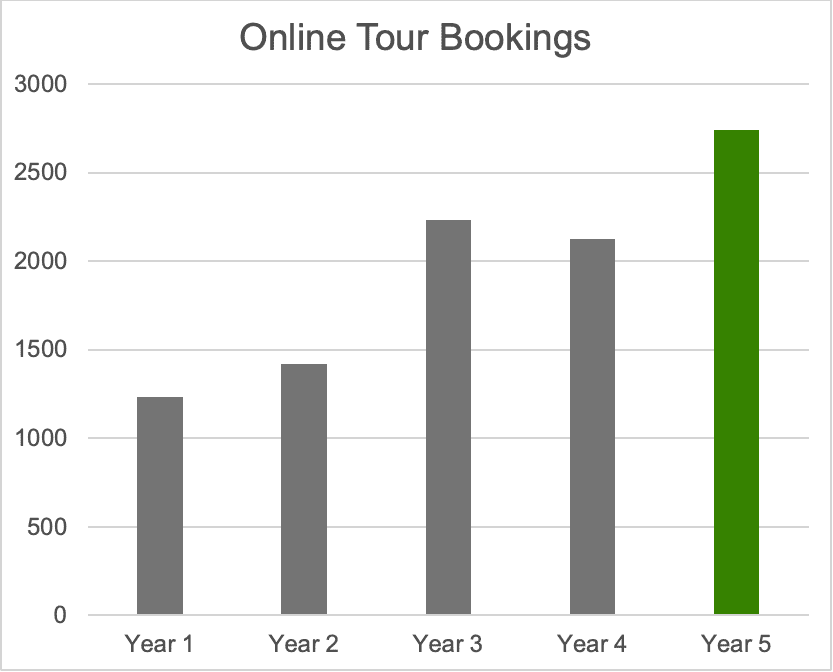
+221%
increase in online bookings
+728%
increase in annual retreat inquiries
732
retreat inquiries per year
“I worked with 2 other SEOs that over-promised and under-delivered. Not so with Improve & Grow.”
— Justin Harnish, Refreshing Mountain
Black Rock Christian Camp & Retreat Center
They needed more than quick fixes. They needed a strategy to replace holes left by non-returning groups and establish a predictable flow of qualified retreat leads.
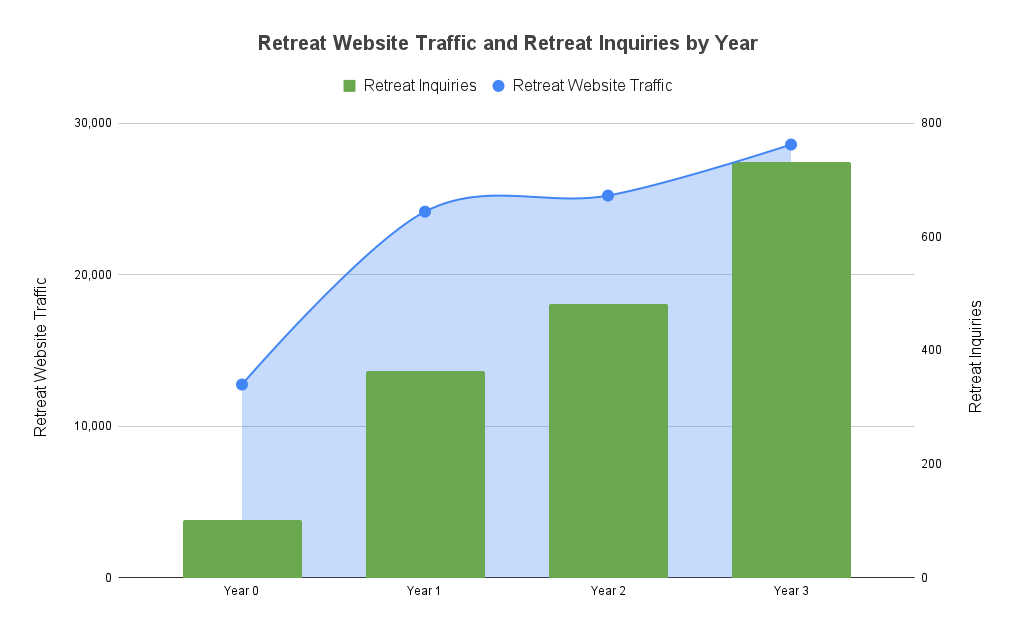
+224%
increase in retreat website traffic
+728%
increase in annual retreat inquiries
732
retreat inquiries per year
“They have been very helpful in building our online presence as well as creating a beautifully redesigned website. Improve and Grow lives up to their name.”
— Jamie Sensenig, Guest Services Director at Black Rock Christian Camp & Retreat Center
How These Results Happen
Different camps. The same proven process.
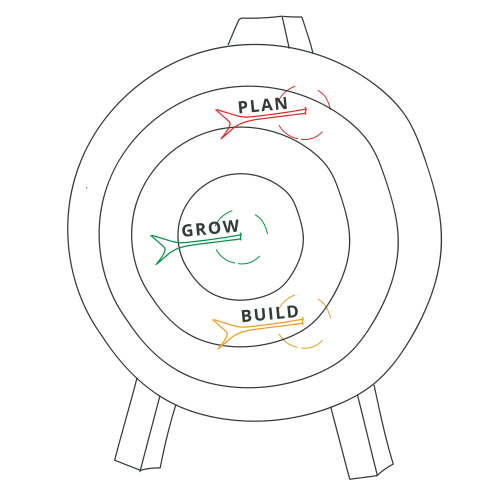
None of these camps got here with random acts of marketing. Every one of them started with a plan — clear targets, honest research, and a strategy built around their goals and seasons — and then built and grew on top of it. That’s the Plan · Build · Grow process, and it’s the same one we’d use for your camp.
Plan stage
Set Your Growth Targets
Assess Your Opportunity
Craft Your Growth Action Plan
Build Stage
Improve Your Website
Configure Your Tracking
Set Up Your Campaigns
Grow Stage
Drive Your Traffic
Convert Your Inquiries
Optimize Your Results
Camp Marketing Results FAQ
Questions camp leaders ask us.
How long before we'd see results like these?
It varies with your starting point and market, but many camps see more inquiries within the first few months. The bigger numbers on this page are multi-year — search-driven growth compounds, and the camps with the largest results are the ones who stayed the course.
Are these results typical?
These are our documented case studies, chosen because each one shows a different starting point. Results depend on your market, your capacity, your pricing, and how consistently the plan gets executed. We’ll give you a realistic projection for your camp in your Growth Action Plan — not a promise based on someone else’s numbers.
Our camp is much smaller. Does this still apply?
Yes. The camps on this page range from single-site operations to large year-round conference centers. The process is the same; the scale of the plan changes to fit your budget and goals.
What if our open capacity falls on midweek date in the offseason periods?
That’s the most common goal we work on. Most of the growth on this page came from filling midweek dates, off-season weekends, and guest-group bookings rather than peak summer.
Can we talk to one of these camps?
Often, yes. Ask us on a call and we’ll connect you with a camp director in a similar situation where it makes sense.