
Introduction: Rethinking Camp Marketing Strategy
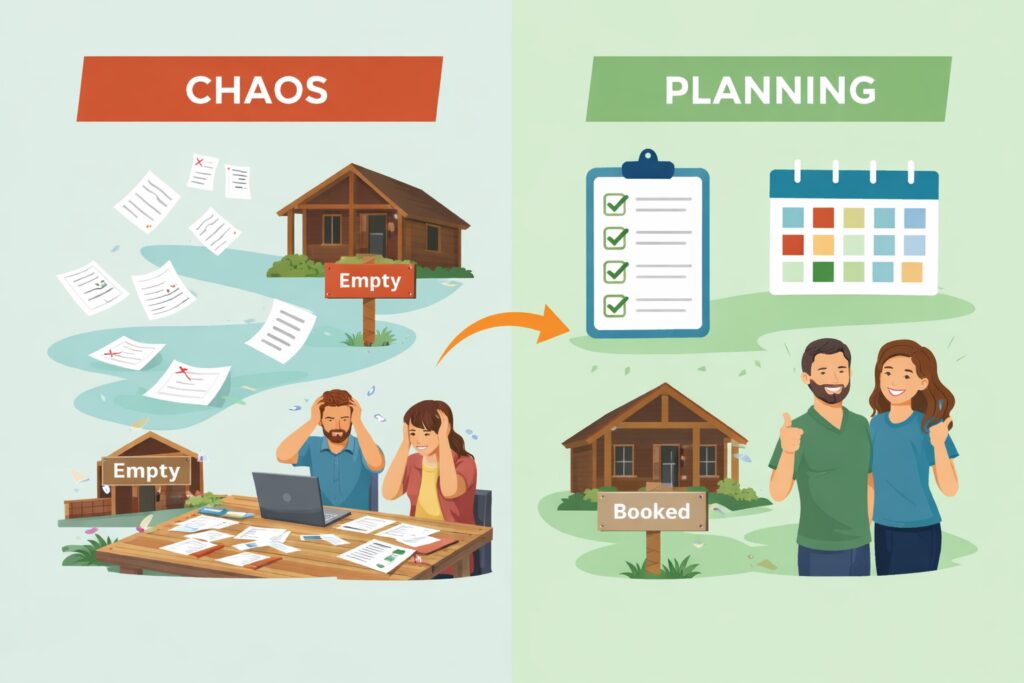
If your camp or retreat center is like many, your property sits underutilized for large portions of the year—especially midweek and during the off-season. Meanwhile, staff turnover is a recurring challenge, and growing summer camp programs feels harder every year.
What if your camp could become a thriving, year-round resource for ministry, community connection, and sustainable growth?
In this article, we’ll explore 12 creative and mission-aligned ways camps are filling their calendars beyond summer—and how the right strategy makes it all work.
Why Year-Round Bookings Matter for Your Mission
Finding ways to increase off-season and midweek bookings isn’t just about boosting revenue. It’s about:
- Stewarding your space well: Your land, buildings, and activity areas are valuable assets—leverage them more fully.
- Retaining quality staff: Offering more consistent employment helps keep trusted team members year over year.
- Funding your core ministry: Supplemental revenue gives you more freedom to invest in camper scholarships, facility improvements, and spiritual programming.
- Expanding your impact: Hosting new audiences like schools, businesses, or families creates fresh ministry touchpoints.
A thoughtful marketing strategy that supports year-round programming helps you serve more people, more often—with less downtime and more sustainability.
12 Creative Booking Ideas to Increase Off-Season Bookings and Year-Round Camp Programs
For each idea below, we’ve included the target audience, what it typically requires, and a real-world example drawn from the camps and retreat centers we’ve served.
1. Outdoor Education Programs for Schools
Audience: Elementary to high school educators
What You’ll Need: Curriculum-based programming, insurance, trained facilitators
Example: One of our clients partnered with local school districts to launch a full-fledged outdoor education program. They now serve hundreds of students each fall and spring with structured multi-day field trips.
2. Homeschool Field Trip or Enrichment Days
Audience: Homeschool families and co-ops
What You’ll Need: Flexible activities, booking system, homeschool community outreach
Example: A retreat center we serve filled weekday space with facilitated activity days tailored to homeschoolers, creating new relationships and word-of-mouth referrals.

3. Corporate Retreats & Team Building Packages
Audience: Local businesses and HR departments
What You’ll Need: Customizable itineraries, team facilitators, A/V-ready spaces
Example: A camp started offering the high ropes, climbing walls, and problem-solving courses they already had for overnight groups to create weekday team-building programs for local organizations. It opened a profitable midweek market that hadn’t been tapped.
4. Wellness or Faith Retreat Weekends
Audience: Adults seeking spiritual or physical renewal
What You’ll Need: Lodging, quiet spaces, wellness leaders or ministry staff
Example: Camps have found success hosting seasonal wellness weekends or spiritual retreats marketed to alumni, churches, or small groups.
5. Seasonal Programmed Events (Fall Fests, Winter Camp, etc.)
Audience: Families, youth, or church groups
What You’ll Need: Program leaders, food service, insurance
Example: Camps with structured holiday events like family Christmas weekends or winter youth campouts often build strong alumni retention and donor engagement.
6. Community Pool or Activity Passes
Audience: Local families
What You’ll Need: Access control, lifeguards, local promotion
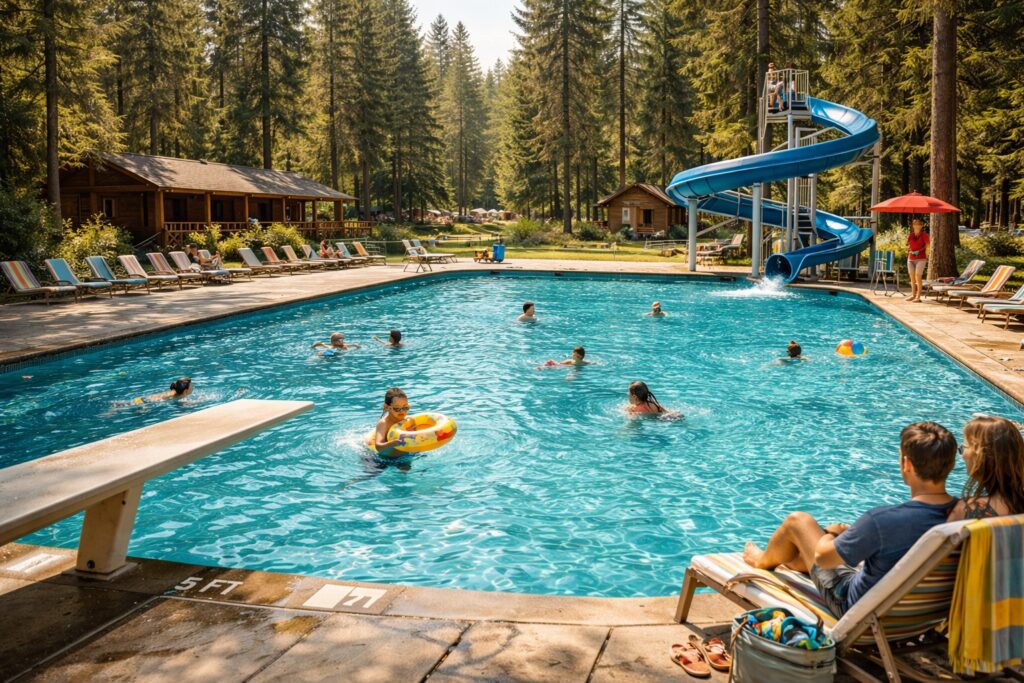
Example: One camp opened their pool to the public during set hours, sold seasonal pool passes, and offered swim lessons—all helping offset maintenance costs and build community goodwill.
7. Birthday Parties, Family Events, and Rentals
Audience: Local residents and alumni
What You’ll Need: Clear pricing packages, basic staff availability
Example: One camp saw great results from renting out zipline tours, climbing towers, gym spaces, and even its dining hall for events like family reunions and staff trainings.
8. Youth Group or Church Overnight Packages
Audience: Church and parachurch youth ministries
What You’ll Need: Simple overnight programming, meal service
Example: A number of our clients attract mid-size youth groups for fall or spring retreats, creating strong off-season revenue with minimal extra staff.
9. Leadership Development or Faith Formation Weekends
Audience: Young adults, alumni, or ministry teams
What You’ll Need: Curriculum, speakers, simple lodging
Example: A camp launched a “next step” weekend for high school seniors focused on spiritual growth and leadership—and built strong donor relationships through it.
10. Alumni or Donor Mini-Retreats
Audience: Past campers, volunteers, donors
What You’ll Need: Lodging, presentations, fundraising messaging
Example: Retreat-style appreciation events for donors or volunteers keep your community close and inspired to give.
11. Niche Workshops or Skill-Building Camps
Audience: Hobbyists, men’s/women’s groups, churches
What You’ll Need: Instructors, supplies, themed weekends
Example: Popular offerings include outdoor survival training, nature photography weekends, or hands-on ministry leadership intensives.
12. Holiday Parties and Appreciation Events
Audience: Local businesses, schools, or churches
What You’ll Need: Dining space, decor, catering or BYO policies
Example: Camps with winterized facilities often find demand for unique, rustic venues during the holiday season—perfect for staff parties or seasonal banquets.

💡 Struggling to Decide Where to Start?
Many camp leaders we work with are full of great ideas—but their teams are stretched thin, and they’re unsure which ones will actually move the needle.That’s where our Growth Action Plan comes in. It’s a guided, collaborative process that helps you identify your highest-impact opportunities and craft a tailored plan that fits your mission, resources, and goals.
How to Decide What’s Right for Your Camp
With so many creative programming ideas available, it’s tempting to try several at once—especially if you’re eager to grow or fill calendar gaps. But not every opportunity is the right fit for your camp. Taking time to assess what’s feasible and aligned with your goals ensures that your efforts will yield fruit instead of frustration.
Start by asking:
- Mission Fit – Does this align with your purpose and values?
- Infrastructure Readiness – Do you have what’s needed to deliver a quality experience?
- Staffing & Support – Can your team support this without burnout?
- Community Demand – Are people asking for this (or is there interest nearby)?
You don’t need to reinvent your entire operation. Often, it’s better to start small—launching one or two targeted programs that leverage your existing strengths. Once those are running smoothly, you can expand, adapt, and grow with confidence.
Building a Strategy Around the Ideas You Choose
Having a great idea is only the first step. Without a supporting strategy, you may find yourself investing time and money without seeing measurable results. A successful strategy bridges your vision and execution—it turns potential into performance.
To be effective, your strategy should include:
- Defined goals and success benchmarks – Know what you’re aiming for.
- Clear target audiences and messaging – Tailor your promotion to resonate.
- Aligned platforms and promotion plans – Meet your audience where they are.
- Tracking and evaluation tools – Monitor results and adjust along the way.
When you plan your work and work your plan, you reduce guesswork and increase impact. Strategy ensures that your programs don’t just launch—they thrive.
Pitfalls to Avoid
As exciting as new programs can be, they can backfire without a strong foundation. Avoid these common mistakes:
- Launching without clarity or leadership buy-in – Alignment is critical for success.
- Stretching your staff too far – Protect your team’s capacity and morale.
- Undervaluing your offerings – Price for sustainability, not desperation.
- Skipping testing or performance measurement – You can’t improve what you don’t track.
Proactive planning and ongoing evaluation help you stay agile and resilient, even when something doesn’t go as expected.
Resources to Put These Ideas Into Action
Ready to turn unused capacity into lasting ministry impact? Here are some resources to help you get started.
- Schedule a Growth Action Plan: Collaborate with our team to develop a personalized camp marketing strategy based on your goals, capacity, and mission. It’s the first step toward a clear and effective camp growth strategy.
- Download the Retreat & Camp Growth Roadmap: Get our free 3-stage, 9-step framework for building a sustainable marketing plan that fuels long-term growth through strategic planning and execution.
- Explore the Camp Marketing Blog: Dive into a library of how-to guides, templates, and success stories on year-round marketing for camps and retreat centers—ideal for anyone looking to improve their retreat center marketing.
Camp Off-season Booking Ideas FAQs
1. How do I know which of these ideas are right for us?
Start by evaluating your mission, resources, staffing, and facility readiness. Consider which audiences are already engaging with your camp and where you have untapped potential. Start small and expand once you’ve seen traction.
2. Can we handle new programs with limited staff?
Absolutely—but only with the right focus. Choose low-lift options first (like one-day field trips or weekend retreats), and consider recruiting volunteers or seasonal contractors to support launch phases.
3. How do I promote off-season offerings?
Use targeted digital campaigns (Google Ads, Facebook), update your website with seasonal programs, and leverage your existing email lists. Don’t underestimate the power of partnerships with schools, churches, and local businesses.
4. What’s the best platform to advertise to schools or businesses?
Email outreach, LinkedIn (for corporate), and direct networking often outperform general ads. Invest in clear brochures, landing pages, and referral-friendly collateral.
5. What if we try something and it doesn’t work?
That’s okay. Start small, gather feedback, and adjust. Every test teaches you something valuable—just make sure you’re measuring what matters.
6. How long does it take to see results from new initiatives?
Some programs (like a well-promoted field trip) can fill quickly. Others may take a season or two to build. The key is consistency and clear messaging.
7. Can we do this without overextending our mission?
Yes—if you filter every opportunity through your mission and stay focused on programs that align. Don’t chase revenue at the expense of your values.
8. How should we price non-summer events?
Start with your actual costs, then compare market rates. Price for sustainability—not discounting. Bundle value where possible and use tiered pricing when appropriate.
9. What do we need to support corporate groups?
Clear schedules, team-building facilitators, A/V capabilities, and strong communication. Businesses value professionalism, outcomes, and ease.
10. How do I get buy-in from my board or senior leadership?
Use a data-backed proposal that shows how new bookings can fund your mission and strengthen your base. Share examples of similar camps who made it work.